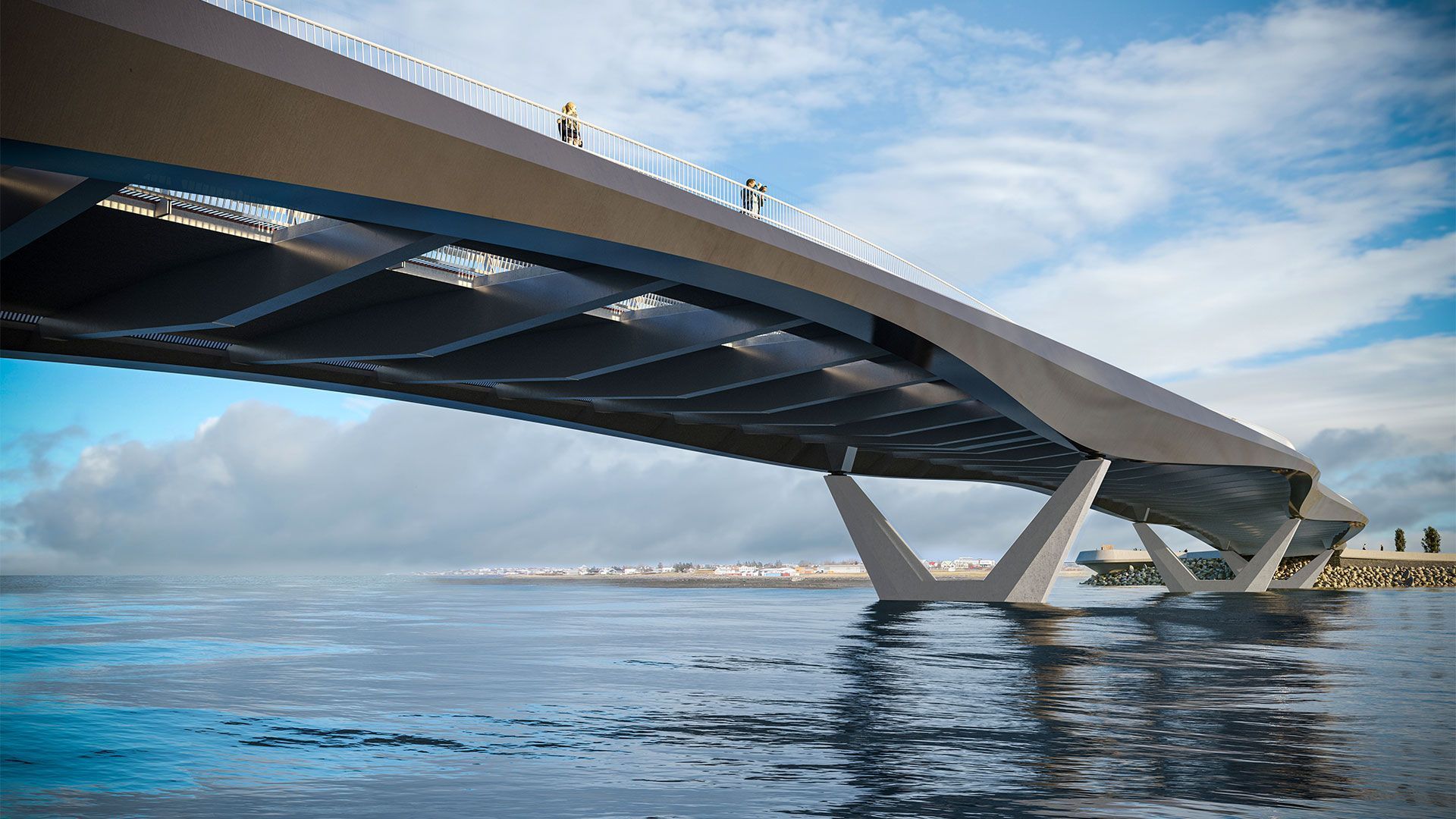
Alda, a bridge over Fossvogur
Fossvogur Bridge connects Reykjavík and Kópavogur, serving Borgarlínan, emergency services, pedestrians and cyclists. It shortens distances, supports sustainable transport choices and creates a distinctive visual landmark for the area.
A vital connection
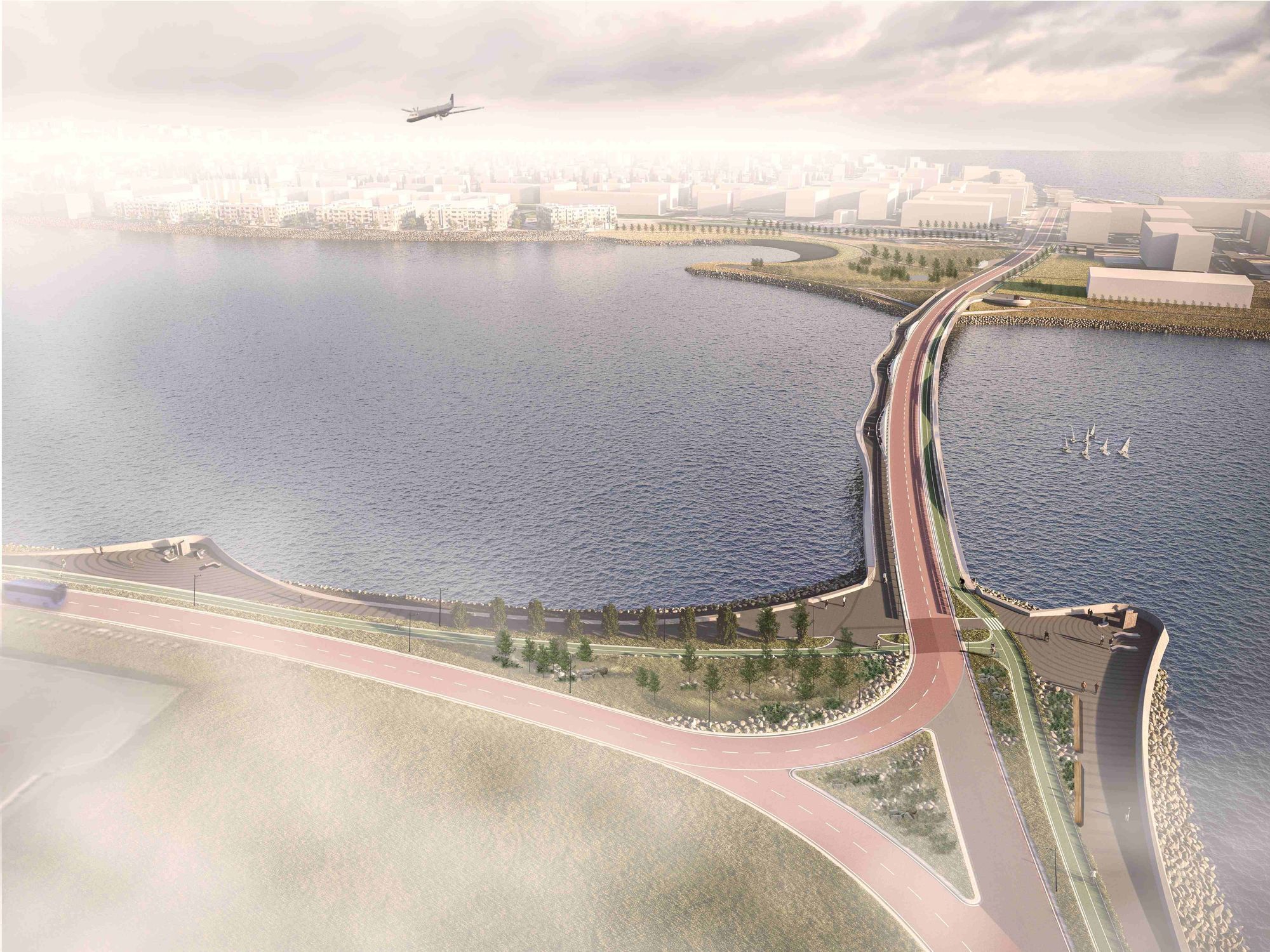
Alda, the bridge over Fossvogur, plays a central role in Borgarlínan and supports the wider vision of a more efficient sustainable transport across the capital region. By providing a crossing over Fossvogur, the bridge significantly shortens travel distances between Reykjavík and Kópavogur, improving access to workplaces, services and outdoor activities.
Borgarlínan is accommodated in the centre of the bridge, while separate paths for pedestrians and cyclists run along either side, ensuring safe and efficient travel for all users.
The design of Alda is guided by respect for the character of the surrounding area, aiming to create a structure that sits well within the landscape and the environment, while meeting the required standards for transport safety and sustainability.
Alda, a bridge over Fossvogur A vital connection
EFLA's role
EFLA led the project's multidisciplinary team, was responsible for project management, coordination across disciplines, preliminary and detailed design, and preparation of tender documents.
The bridge was designed in close collaboration with BEAM Architects, with the design scope extending to the adjoining sections of Borgarlínan, pedestrian and cycle paths on both sides of Fossvogur, rest areas, landscaping, and utility systems.
Alda is a large-scale infrastructure project and a strong example of close integration across disciplines, bringing transport, structural engineering, landscape and utility systems together into a single, cohesive and valuable piece of infrastructure. EFLA's specialists contributed a broad range of expertise to the project, with core services including:
- Project management and cross-disciplinary coordination
- Bridge design and structural engineering
- Borgarlínan, streets and paths
- Geotechnical engineering, land reclamation and coastal protection
- Landscape architecture and public space design
- Electrical systems and lighting
- Drainage and stormwater systems
- Traffic analysis and transport assessment
- BIM and model-driven design
- Wind, current and vibration analysis
- Life-cycle and carbon footprint analysis
The location of the bridge in Fossvogur is ideal from a transportational point of view, but at the same time it presented a range of challenges during the design process:
Design and implementation challenges
- Strict height restrictions
Proximity to Reykjavík Airport means the bridge's height cannot exceed certain limits. This was a decisive factor in choosing the bridge type and shaped every aspect of the structural design.
- A demanding marine environment
A structure built over sea requires specific design solutions to address corrosion exposure and other environmental factors that affect its long-term durability.
- Aesthetic and Environmental Design Requirements
As the bridge is situated in a popular recreational area, particular emphasis was placed on its visual appearance and integration with the surrounding landscape. Special attention was given to its visibility from walking and cycling routes, the Ylströndin geothermal beach, and residential areas in Kársnes overlooking the bay.
Methodology and analysis
The design of Alda is grounded in extensive analysis, with the design team using BIM (Building Information Modelling) throughout. By developing the entire design within centralised information models, the team was able to efficiently coordinate infrastructure across disciplines and ensure quality throughout the process, from concept to construction.
To support safety, cost-effectiveness and a positive user experience, EFLA's specialists also carried out a number of specialised analyses that shaped the design of the structure, including:
- Traffic analysis
- Wind studies
- Hydrodynamic analysis
- Life-cycle analysis
The results of these analyses affected the final design of the structure and supported goals regarding sustainability and quality.
In Harmony with the Landscape
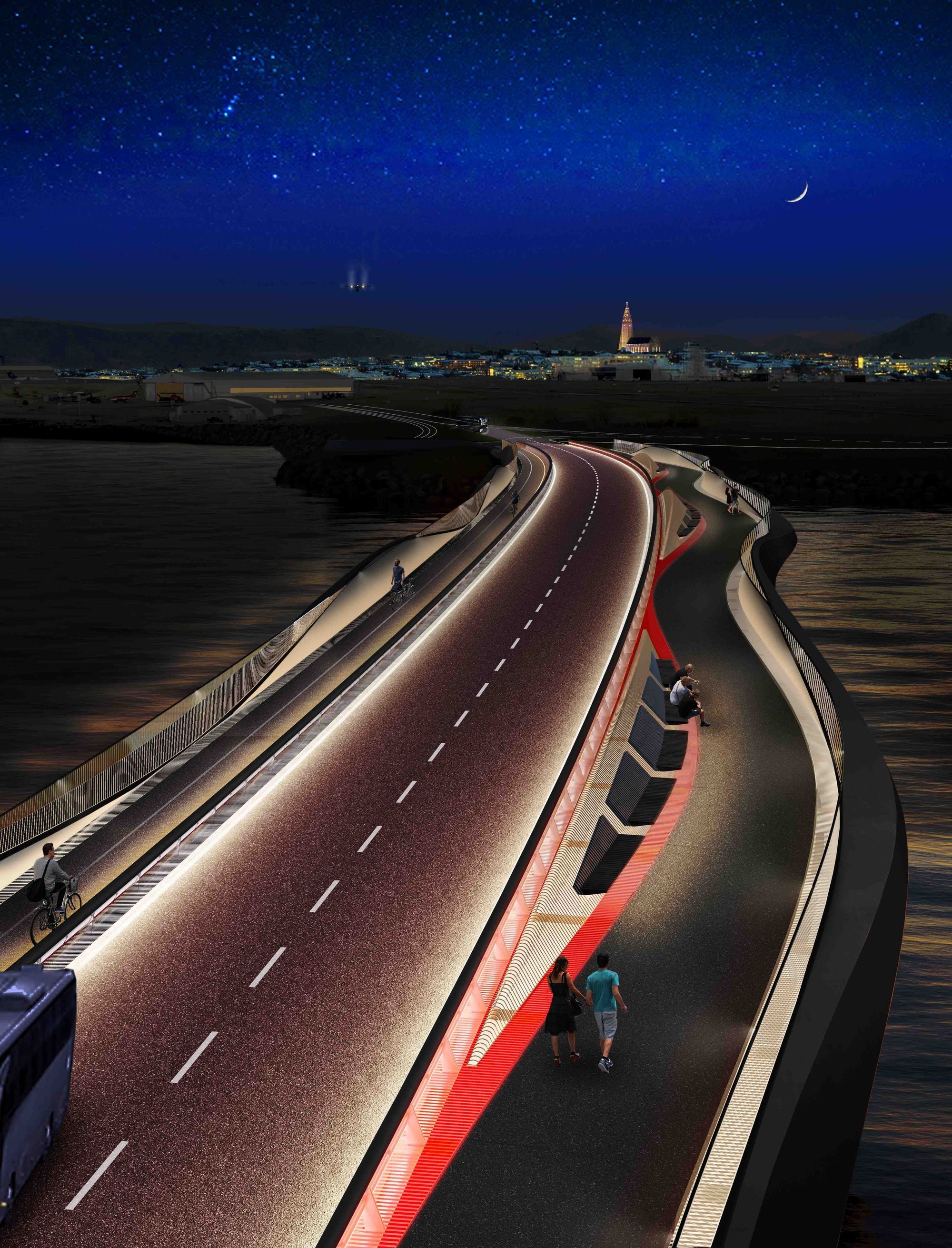
Alda is more than a transport infrastructure. While the bridge connects municipalities and shortens journeys, it also creates a new public space within the urban landscape. Viewing platforms and rest areas along the bridge offer a unique experience, giving people a place to pause and take in the proximity of the sea and nature.
The design concept behind the bridge draws directly on its surroundings:
- A nod to the waves of the sea: The bridge crosses Fossvogur in a gentle curve, with the structural edges along its sides rippling up and down along the length of the deck. This wave-like interplay creates a strong visual link to the sea swell of Fossvogur and Skerjafjörður, a fitting inspiration for the bridge's name: Alda, meaning wave in Icelandic.
- Curving around elf stones: According to Icelandic folklore, if an elf stone stands in someone's path, they must sway around it. The bridge features three rest areas named Álfasteinar (elf stones), and the roadway curves gently and gracefully around each one.
Sustainability as a guiding principle
Sustainability has been a guiding principle in the design of Alda from the outset. Particular attention has been paid to the bridge's interaction with nature and its surroundings, while ensuring that key walking and cycling routes in the area remain accessible throughout construction.
Throughout the design process, the carbon footprint of each proposed solution was systematically assessed and monitored. These analyses supported informed decision-making and helped the project team actively reduce the bridge's environmental impact.
Other studies carried out as part of the project, including assessments of ecosystems, wind conditions, currents, acoustics and recreational use, were likewise evaluated with sustainability and environmental impact as key considerations.
Design visualisations
Below is a selection of visualisations developed throughout the bridge design process, from the original competition proposal to the tender design. The images illustrate how the bridge as a whole, as well as its individual elements, will integrate into the Fossvogur landscape and become part of the public realm.
 1 / 10
 2 / 10
 3 / 10
 4 / 10
 5 / 10
 6 / 10
 7 / 10
 8 / 10
 9 / 10
 10 / 10
Construction Updates
Further information and updates on the construction progress are available on the Borgarlína website.
 1 / 6
At the Start of Construction
View across Fossvogur following the construction of new land reclamations on both sides of the bay.
 2 / 6
The Bridge Takes Shape
A major milestone was reached in August 2026 with the completion of the drilled pile foundations.
 3 / 6
Foundation for a New Connection
Photo: Gunnar Svanberg for Betri Samgöngur
 4 / 6
Precision at Every Stage
Welding of the pile foundations is a critical part of the bridge's construction. Photo: Gunnar Svanberg for Betri Samgöngur.
 5 / 6
Working Around the Clock
A work platform illuminates the bay during nighttime construction of the bridge foundations. Photo: Ragnar Th. Sigurðsson for Ístak.
 6 / 6
At Twilight
Work continues on the new connection across Fossvogur Bay as the construction site is bathed in the evening light. Photo: Ragnar Th. Sigurðsson for Ístak.
At the Start of Construction
View across Fossvogur following the construction of new land reclamations on both sides of the bay.
The Bridge Takes Shape
A major milestone was reached in August 2026 with the completion of the drilled pile foundations.
Foundation for a New Connection
Photo: Gunnar Svanberg for Betri Samgöngur
Precision at Every Stage
Welding of the pile foundations is a critical part of the bridge's construction. Photo: Gunnar Svanberg for Betri Samgöngur.
Working Around the Clock
A work platform illuminates the bay during nighttime construction of the bridge foundations. Photo: Ragnar Th. Sigurðsson for Ístak.
At Twilight
Work continues on the new connection across Fossvogur Bay as the construction site is bathed in the evening light. Photo: Ragnar Th. Sigurðsson for Ístak.
More projects
All projects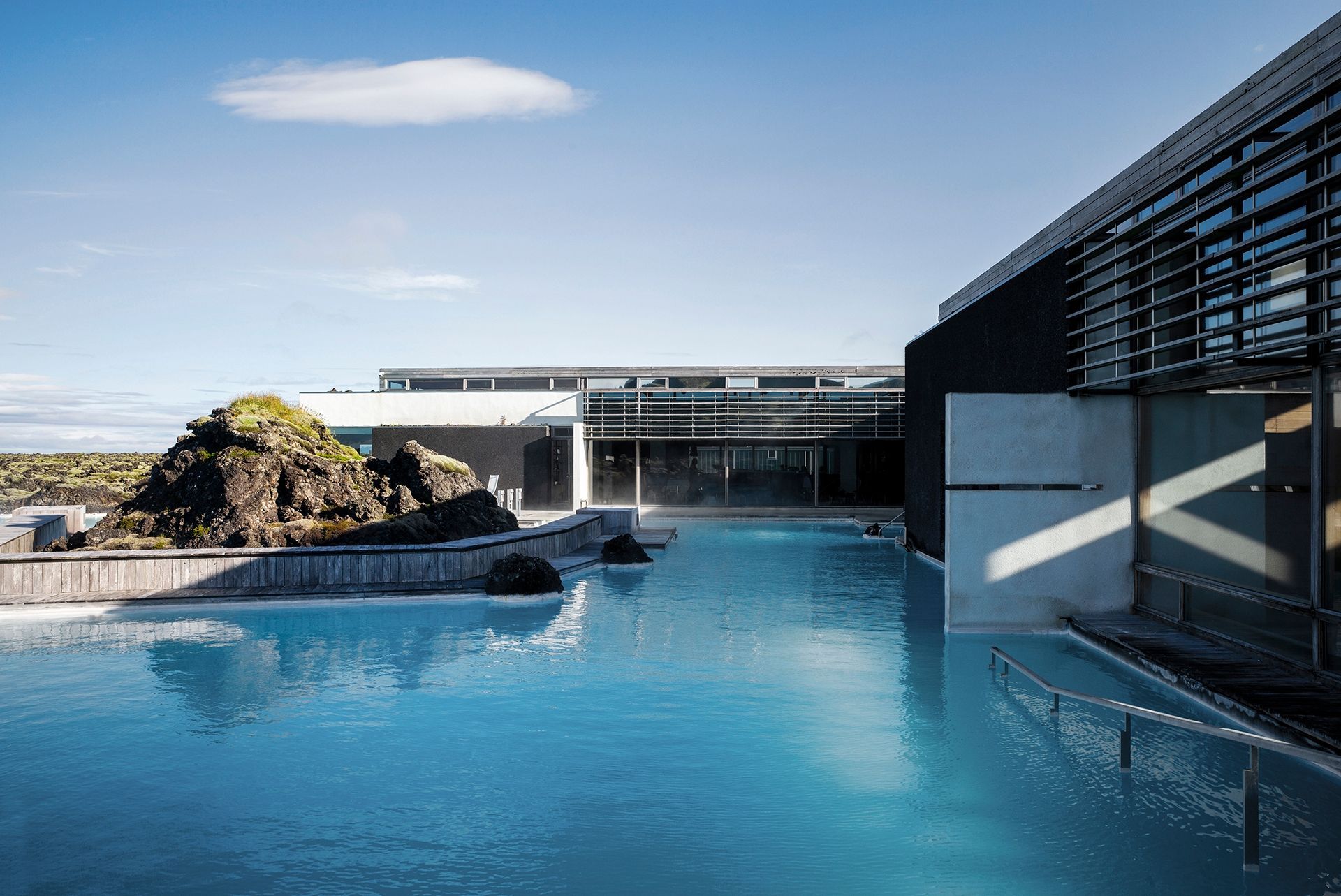 IcelandBuildings
The Blue Lagoon
EFLA has worked on numerous engineering design and consultancy projects at the Blue Lagoon over the years.
 IcelandSustainability and environment
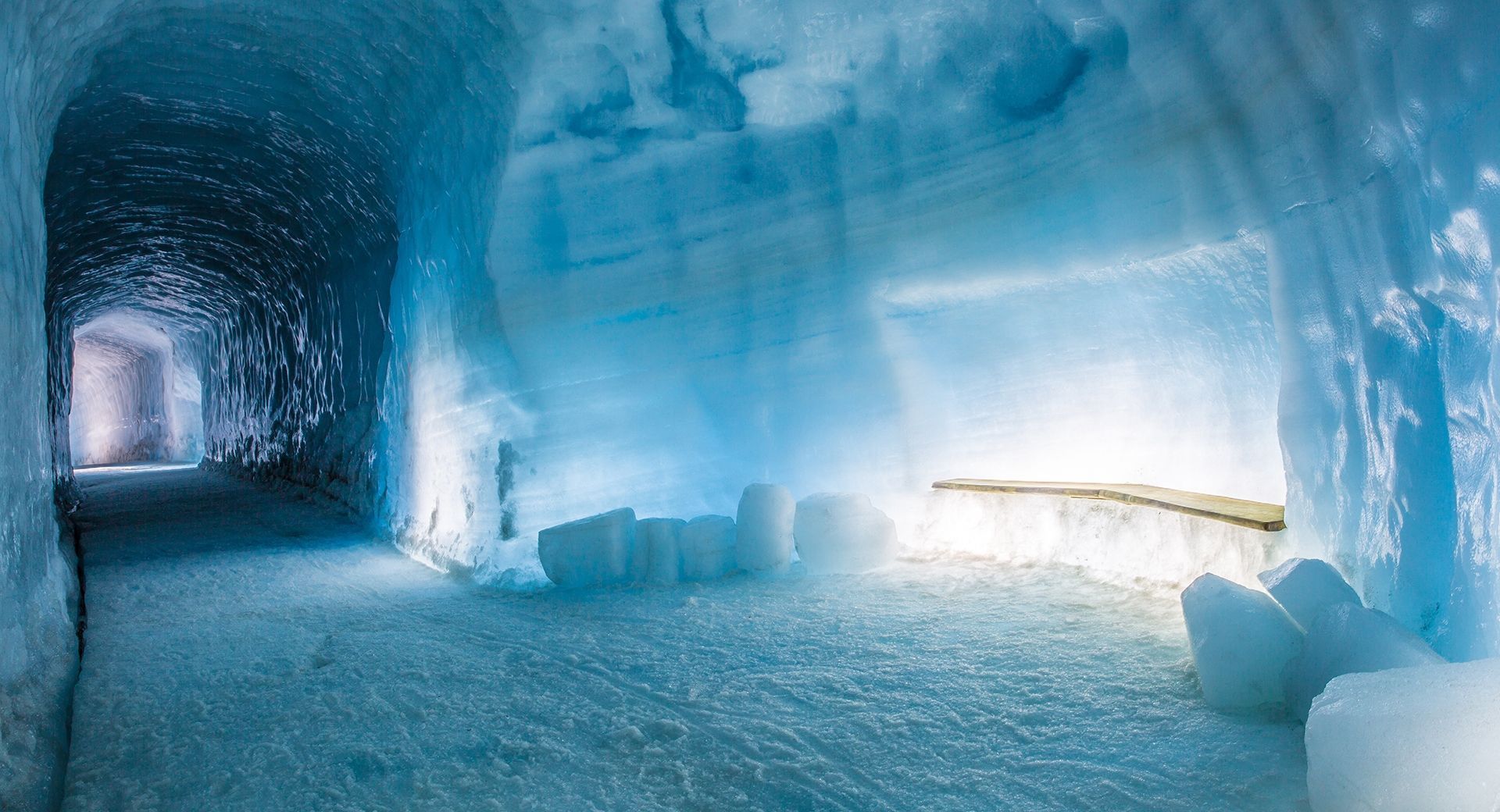
Langjökull Ice Cave
Development, design, and delivery of the Langjökull glacier tunnel project, transforming the idea into a safe, fully realized tourist attraction.